
If you compare your eczema with someone else’s, you may find that your experiences are quite different. What affects them may not affect you in the same way, and their symptoms may not necessarily resemble yours.
Eczema is an umbrella term for a group of inflammatory skin conditions. While people with eczema share certain underlying features of skin inflammation and barrier dysfunction, there is no single way in which the condition presents or progresses.
Instead, eczema is influenced by a combination of factors that can be specific to the individual and their surroundings. Understanding these influences can help explain why your eczema may not look, feel or behave in quite the same way as someone else’s.
How Can Eczema Symptoms Differ Between People?
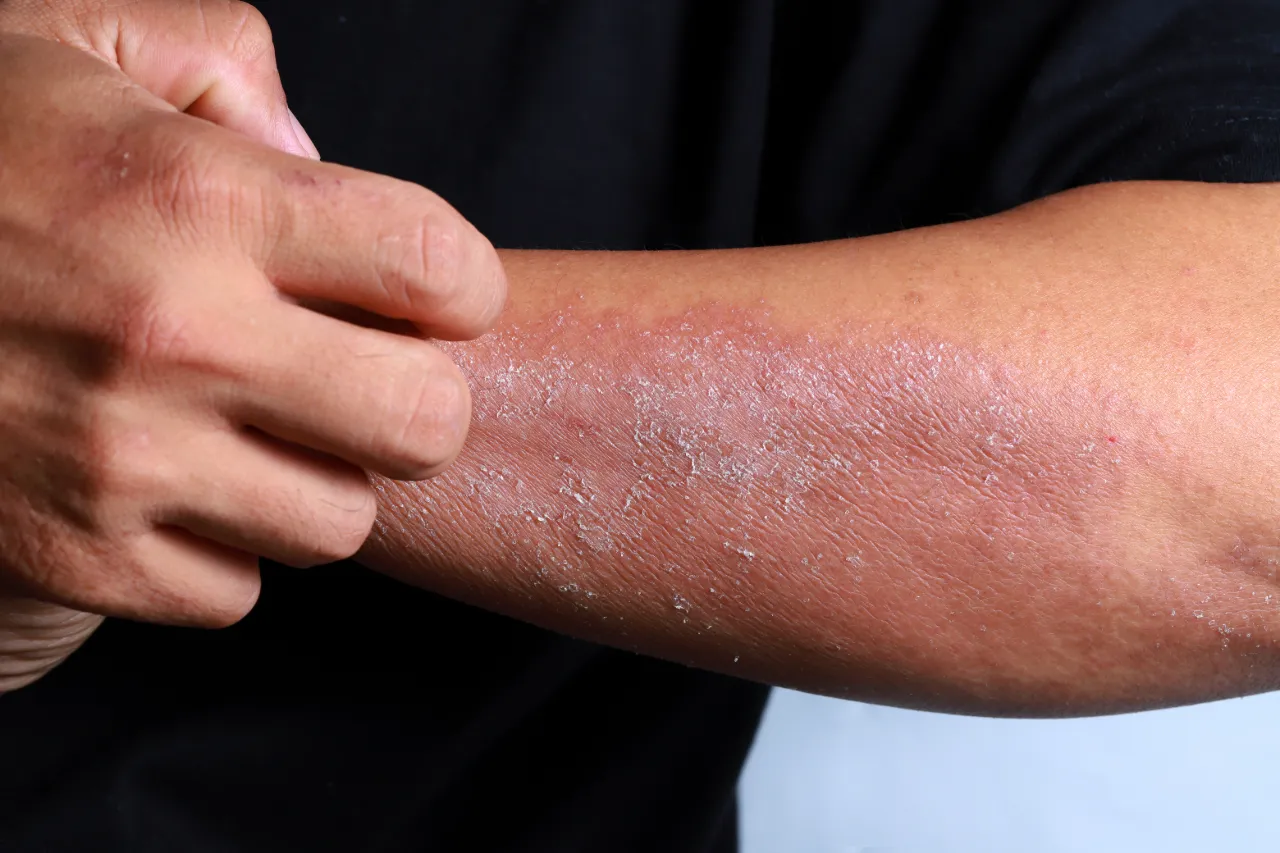
Eczema is associated with inflammation of the skin, but there is no single appearance or symptom pattern that applies to every person. Differences may be noticeable in the appearance and location of affected skin as well as the intensity and frequency of symptoms.
Appearance
Eczema can cause dry, itchy, scaly or thickened skin. Some people may develop small bumps, cracked skin or areas that become raw or ooze, particularly when the skin is repeatedly scratched.
The colour of affected skin can also differ. Inflammation may appear red or pink on lighter skin tones, while on darker skin tones, affected areas may appear purple, grey, brown or darker than the surrounding skin. Changes in skin colour may sometimes remain after the active inflammation has settled.Location
The areas affected by eczema can differ from one person to another. Symptoms may develop on the face, neck, hands, arms, legs or skin folds, among other areas.
The type of eczema can also influence where symptoms develop. Hand eczema, for instance, primarily affects the hands and may be associated with repeated exposure to water, irritants or other occupational factors.Symptom Intensity
The intensity of eczema symptoms can range from relatively mild dryness and itching to symptoms that interfere with sleep, concentration or everyday activities.
Itching is often a prominent symptom. Scratching may further irritate the skin and contribute to an itch-scratch cycle, where itching leads to scratching and scratching causes additional irritation that can lead to further itching.
Symptom intensity can also change within the same person. Someone may experience relatively settled periods followed by episodes when symptoms become more noticeable or uncomfortable.Triggers
Potential eczema triggers are not necessarily the same for everyone. Depending on the individual, symptoms may be associated with exposure to factors such as:
- Heat and sweating
- Soaps, detergents or fragrances
- Certain fabrics
- Dust or other environmental allergens
- Changes in temperature or humidity
- Stress
- Repeated exposure to water or other irritants
Flare-Up Patterns
Eczema symptoms may come and go. Some people experience relatively long periods with few noticeable symptoms, while others may have more frequent or persistent problems.
Flare-ups can also differ in duration and intensity. A person’s symptoms may worsen after particular exposures or during certain periods and improve at other times.

What Factors May Influence How Eczema Symptoms Vary?
Differences in eczema symptoms can reflect a combination of individual and environmental factors. Rather than having one underlying explanation, the way eczema presents may be influenced by age, skin characteristics, eczema subtype and everyday exposures.
Age
Eczema can occur at different stages of life, and its presentation may change as a person grows older. In infants, eczema may commonly involve areas such as the cheeks and outer surfaces of the arms and legs. In older children and adults, symptoms may be more noticeable in skin folds, such as behind the knees or inside the elbows, although patterns vary between individuals. Adults may also develop eczema affecting areas such as the hands, face or eyelids.
Skin Tone
Eczema affects people across different skin tones, but inflammation is not always visually identical. On darker skin tones, redness may be less apparent. Instead, inflammation can appear brown, purple, grey or darker than the surrounding skin. Eczema may also be associated with changes in pigmentation after inflammation has improved. These differences can sometimes make eczema more difficult to recognise based on redness alone.
Type of Eczema
Eczema is a broad term that includes several types of inflammatory skin conditions. Atopic dermatitis is one of the most widely recognised, but other forms include contact dermatitis, dyshidrotic eczema and nummular eczema.
Different types can have different appearances, commonly affected areas and contributing factors. For example, contact dermatitis develops following contact with a substance that irritates the skin or causes an allergic reaction, while dyshidrotic eczema typically involves small, itchy blisters on the hands or feet. These differences between eczema types can contribute to variations in how symptoms look, where they appear and what may trigger them.Environment and Climate
Environmental conditions may influence eczema symptoms in some people. In Singapore’s warm and humid climate, heat and sweating may be relevant concerns for individuals who notice that their eczema becomes more uncomfortable under these conditions. Moving frequently between outdoor heat and air-conditioned indoor environments may also expose the skin to changes in temperature and humidity.
Occupation and Daily Habits
What a person does throughout the day can affect how often their skin encounters potential irritants. For example, healthcare workers, cleaners, food handlers, hairdressers and people in other occupations may frequently wash their hands or come into contact with water, gloves, cleaning products or chemicals.
Daily habits outside work can also matter. Skincare products, bathing routines, exercise, clothing and household cleaning products are among the exposures that may come into regular contact with the skin. This does not mean these activities necessarily cause eczema. However, certain exposures may contribute to irritation or symptom flare-ups in susceptible individuals.Individual Trigger Sensitivity
People with eczema may respond differently to potential triggers. Even among people with the same type of eczema, the factors associated with flare-ups may not be identical. For example, one person may notice symptoms after sweating heavily, while another may be more affected by repeated handwashing or contact with a particular product.
This individual variability is one reason broad lists of eczema triggers should be interpreted cautiously. Identifying patterns in your own symptoms can be more useful than assuming every commonly reported trigger applies to you.
Why Eczema Symptoms May Change Over Time
Differences in eczema do not occur only between people. Symptoms can also change within the same person over time.
Someone who experienced eczema in particular areas during childhood may notice a different distribution later in life. The frequency or intensity of flare-ups may also change.
Environmental exposures, work, skincare routines and other everyday circumstances can change over time as well. This means the factors associated with a person’s symptoms at one stage of life may not necessarily remain the same.
Symptoms may also change in response to eczema treatment or adjustments in skincare. How the skin responds, however, can vary from person to person.
Seasonal or environmental changes may also influence symptoms in some individuals. In Singapore, this could include periods of increased heat and sweating or spending more time in air-conditioned environments.
A change in symptoms does not automatically mean that the eczema itself has become more severe. If eczema begins to look noticeably different, becomes difficult to manage or develops new symptoms, a medical assessment can help determine whether eczema or another skin condition may be involved.
Get Support for Your Eczema Symptoms at Specialist Skin Clinic
When eczema keeps returning or begins to affect your comfort and daily routine, seeking medical advice can help you better understand what may be happening with your skin and what steps may be appropriate.
At our eczema treatment clinic, you can discuss your symptoms and concerns with a dermatologist who can assess your skin and recommend an approach based on your individual needs. Dr Cheong Wai Kwong, a member of our eczema care team, has practised as a dermatologist since 1986. He also specialised in cutaneous photobiology (the effects of sunlight on the skin) and the use of phototherapy to treat skin conditions, including eczema.
If you have persistent or recurring eczema symptoms, book an appointment with us for an assessment and to discuss suitable next steps for your skin.
FAQs About Eczema Symptoms
Meet Our Specialist
Dr Cheong Wai Kwong
Consultant Dermatologist
MBBS (Singapore), MRCP (UK), FRCP (Edinburgh), Dip Ven (London), FAMS (Dermatology)
Dr Cheong Wai Kwong is a consultant dermatologist with over 35 years of clinical experience in diagnosing and treating skin, hair and nail conditions. He has practised at the National Skin Centre in Singapore and at St John's Dermatology Centre and St Thomas' Hospital in London.
His clinical interests include medical dermatology and phototherapy. A past President of the Dermatological Society of Singapore, Dr Cheong also contributes to dermatology education through lectures and presentations locally and internationally.


Singapore 239693
Sat : 8:00am - 1:00pm