
Hand eczema can be frustrating to manage, particularly when symptoms seem to improve before returning. Dryness, itching, redness and cracking may settle with treatment, only to flare up again days or weeks later. For some people, this cycle becomes a recurring problem that affects everyday activities, from washing dishes and preparing meals to working with their hands.
One reason hand eczema can be difficult to control is that the skin is frequently exposed to substances and conditions that may aggravate it. Frequent handwashing, cleaning products, prolonged contact with water and certain workplace exposures can all contribute to flare-ups. Even when symptoms improve, continued exposure to these triggers may prevent the skin barrier from recovering fully.
By recognising potential triggers and making appropriate changes to your daily routine, you may be able to reduce the frequency of flare-ups and better protect your skin over time.
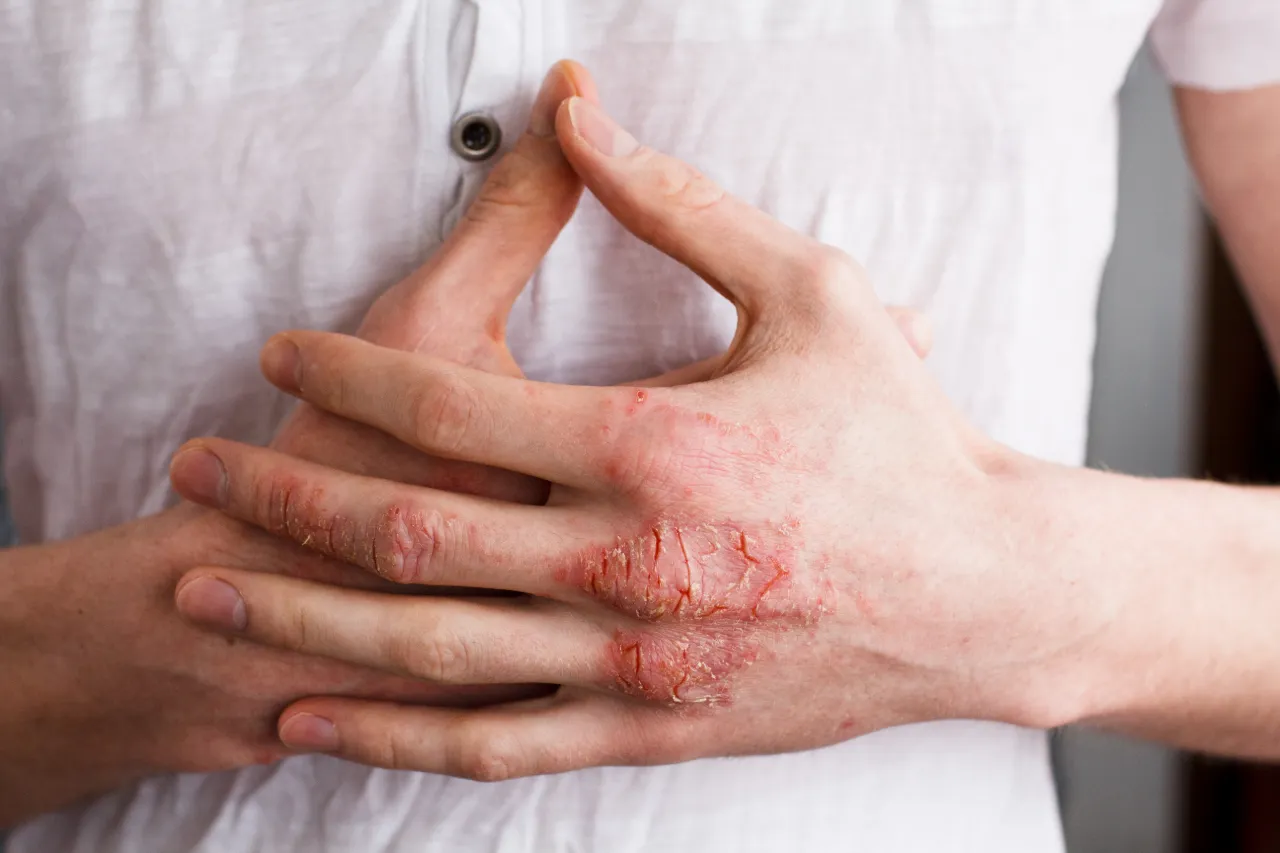
Common Irritants That Can Trigger Recurring Hand Eczema
The skin barrier helps retain moisture and protect your hands from external irritants. With eczema, this barrier can become compromised and may need time to recover even after visible symptoms begin to improve.
If the skin is irritated again before it has fully recovered, symptoms may return. This can contribute to eczema becoming a recurring problem, with periods of improvement followed by further flare-ups.
Frequent Handwashing and Water Exposure
Water may seem harmless, but frequent or prolonged exposure can contribute to hand eczema. This may be particularly relevant if your daily routine involves repeated handwashing, washing dishes, handling wet materials or working in an environment where your hands are regularly exposed to water.
Repeated wetting and drying can affect the skin’s protective barrier and contribute to dryness. Hot water may also aggravate already sensitive skin.
Rather than avoiding necessary handwashing, it may help to consider how often your hands are exposed to water and whether protective measures could reduce unnecessary contact.Soaps, Hand Sanitisers and Cleaning Products
Products used to keep your hands and surroundings clean may also contain ingredients that irritate sensitive skin. Soaps, detergents, disinfectants and hand sanitisers can remove oils from the skin, particularly with frequent use.
For someone whose skin barrier is already compromised, repeated exposure may make it more difficult for the hands to recover between flare-ups. This can be especially challenging when frequent cleaning or hand hygiene is unavoidable.Chemicals and Workplace Irritants
Some occupations involve regular contact with substances that can irritate the hands. Healthcare workers, cleaners, hairdressers, food handlers and people working with chemicals or solvents, for example, may experience frequent wet work or exposure to potential irritants.
Gloves can provide protection in certain situations, but prolonged glove use may also cause sweating and moisture to build up around the hands. If symptoms repeatedly appear during or after work, discussing your occupational exposures with a dermatologist may help identify patterns that are otherwise easy to overlook.
Could an Allergy Be Contributing to Your Hand Eczema?
Not every recurring hand eczema flare-up is caused solely by irritation. In some cases, allergic contact dermatitis may be involved. This occurs when the immune system develops a delayed allergic reaction to a substance that comes into contact with the skin.
Potential allergens can be found in personal care products, fragrances, preservatives, rubber materials, metals and workplace substances. Unlike irritant contact dermatitis, which develops through direct damage to the skin barrier, allergic contact dermatitis involves an immune response to a specific allergen.
This distinction matters because a product or material that causes no immediate discomfort may still trigger a reaction hours or days after exposure. It is also possible to develop an allergy to a substance that you have used without problems for years, making the cause of recurring flare-ups difficult to recognise.
Because irritant and allergic reactions can sometimes look similar, identifying the underlying cause based on symptoms alone may be difficult. A dermatologist may recommend patch testing when allergic contact dermatitis is suspected. This involves applying small amounts of selected allergens to the skin under controlled conditions to help identify substances that may be contributing to repeated reactions.
How Can You Reduce Recurring Hand Eczema Flare-Ups?
Managing recurring hand eczema involves more than addressing symptoms when they appear. Because the skin barrier may remain vulnerable even after a flare-up settles, consistent care and protection can help reduce repeated irritation and support recovery.
Some measures that may help include:
- Moisturise regularly: Apply a fragrance-free emollient after washing your hands and throughout the day to help maintain skin hydration and support the skin barrier.
- Use gentler cleansing products: Choose mild, fragrance-free cleansers where possible, and avoid unnecessarily hot water when washing your hands.
- Protect your hands during wet work: Wear suitable protective gloves when handling cleaning products, washing dishes or working with potential irritants. Avoid prolonged glove use without breaks, particularly if sweating occurs.
- Identify patterns in your flare-ups: Pay attention to whether symptoms worsen after particular activities, products or workplace exposures. This information may help identify potential triggers.
- Follow your prescribed treatment plan: Topical medications may be prescribed to control inflammation during flare-ups. Depending on the severity and frequency of symptoms, your dermatologist may recommend an individualised eczema treatment plan to manage recurring flare-ups and support long-term symptom control.
Although these measures may help reduce irritation, they may not be sufficient for everyone. Persistent or frequently recurring hand eczema can have several contributing factors, including ongoing irritant exposure, contact allergies and underlying inflammatory skin conditions.
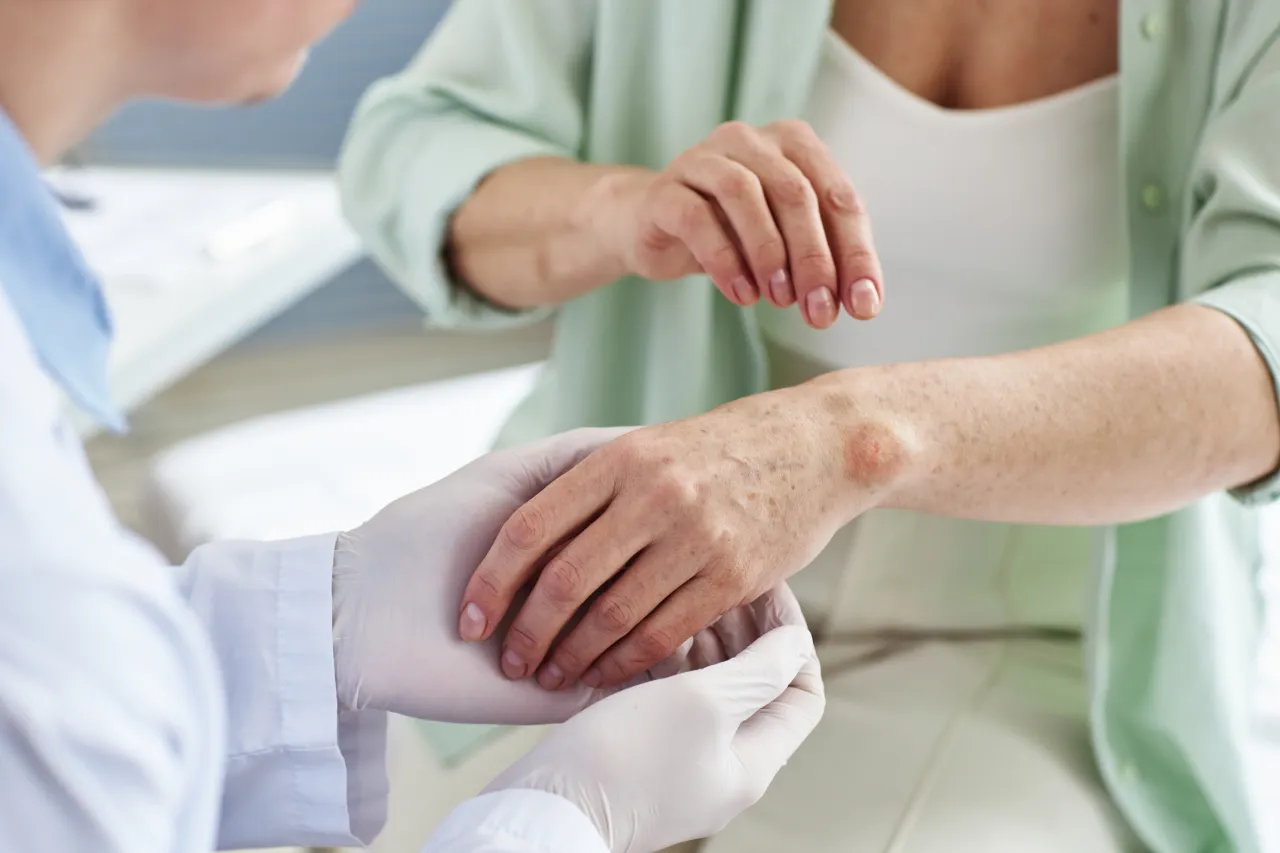
Get a Better Handle on Recurring Hand Eczema With Dr Cheong Wai Kwong
When hand eczema keeps returning, identifying what is driving the flare-ups can be an important step towards achieving better long-term symptom control. While changes to your daily routine may help reduce irritation, persistent flare-ups may require further assessment to identify contributing factors and determine appropriate treatment approaches.
At our eczema treatment clinic, patients can receive dermatological care for different types of eczema. Dr Cheong Wai Kwong, a member of our eczema care team, has practised as a dermatologist since 1986 and has used phototherapy to treat skin conditions including eczema. His clinical background helps guide an individualised approach that considers active symptoms, potential triggers and longer-term management of recurring flare-ups.
If recurring hand eczema is affecting your daily activities or you are unsure what is causing your flare-ups, book an appointment with us for personalised guidance.
Frequently Asked Questions (FAQs) About Recurring Hand Eczema
Meet Our Specialist
Dr Cheong Wai Kwong
Consultant Dermatologist
MBBS (Singapore), MRCP (UK), FRCP (Edinburgh), Dip Ven (London), FAMS (Dermatology)
Dr Cheong Wai Kwong is a consultant dermatologist with over 35 years of clinical experience in diagnosing and treating skin, hair and nail conditions. He has practised at the National Skin Centre in Singapore and at St John's Dermatology Centre and St Thomas' Hospital in London.
His clinical interests include medical dermatology and phototherapy. A past President of the Dermatological Society of Singapore, Dr Cheong also contributes to dermatology education through lectures and presentations locally and internationally.


Singapore 239693
Sat : 8:00am - 1:00pm